
Studying abroad can be expensive, but did you know that Austria offers free university education to international students?
If you’ve ever dreamed about studying in Europe without hefty tuition fees, Austria might be your perfect destination.
Let’s explore why Austrian universities offer free education, the best institutions you can attend, and how you can apply to study there.
Why Choose Austria for Your Studies?
Austria isn’t only known for its stunning scenery, vibrant culture, and classical music; it’s also becoming a hotspot for international students due to its free university education. With affordable education and excellent quality of life, Austria presents a unique and appealing opportunity for students worldwide.
How Austria Can Offer Free Education?
Austrian universities primarily receive funding from the government. This government funding allows universities to waive tuition fees for both European Union (EU) and non-EU students. Students typically only need to cover minor administrative fees each semester, which are usually affordable.
Popular Tuition-Free Universities in Austria
Austria is home to several prestigious universities offering free studies. Here are some popular institutions international students often choose:
1. University of Vienna
Founded in the 14th century, the University of Vienna is Austria’s largest university. It offers a variety of courses, from humanities to sciences, taught mainly in German but also many in English.
Popular Programs: Law, History, Sociology, Economics, and Environmental Sciences.
City: Vienna – vibrant capital city, known for its rich cultural life.
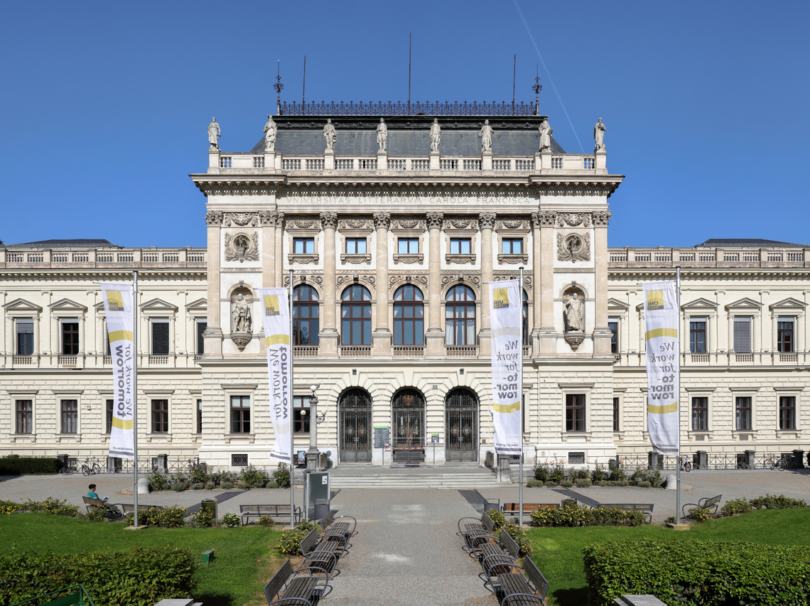
2. Graz University of Technology
Located in Graz, this university specializes in technology and engineering. It is known for its research-focused programs and modern facilities.
Popular Programs: Mechanical Engineering, Electrical Engineering, and Computer Science.
City: Graz – a lively student city, blending tradition and modernity.
3. Johannes Kepler University Linz
This university is renowned for its innovative approach to education, emphasizing practical skills alongside theoretical knowledge.
Popular Programs: Business Administration, Law, Mathematics, and Computer Science.
City: Linz – Austria’s third-largest city, well-known for its arts and industry.
4. University of Innsbruck
Located in the Alps, the University of Innsbruck offers a great academic environment combined with outdoor recreation activities.
Popular Programs: Environmental Sciences, Economics, and Physics.
City: Innsbruck – famous for winter sports and beautiful mountain scenery.
Steps to Apply for Free Studies in Austria
Here’s a straightforward guide to applying at Austria’s tuition-free universities:
1. Choose Your Desired Program
Carefully research programs offered in English if you’re not proficient in German. Austrian universities offer a good number of master’s programs in English, although many undergraduate courses are primarily taught in German.
2. Verify Admission Requirements
Each university has its specific criteria, but common requirements include:
A valid high school diploma or equivalent for bachelor’s studies.
A relevant bachelor’s degree for master’s programs.
Proof of language proficiency (German or English, depending on your chosen program).
3. Submit an Online Application
Applications are typically completed online through university admission portals. Prepare your documents such as transcripts, language certificates, motivation letters, and recommendation letters in advance.
4. Apply for a Student Visa
After receiving acceptance, students from outside the EU must apply for an Austrian student visa or residence permit. The process is straightforward, requiring proof of acceptance, financial stability, and valid travel documents.
Living Expenses in Austria
While tuition may be free, you’ll still need to manage living costs. Expenses vary depending on the city:
Vienna: Around €900–€1,200 monthly.
Graz and Innsbruck: Approximately €700–€900 monthly.
Linz: Typically about €700–€850 monthly.
These costs usually include accommodation, food, transport, and entertainment.
Scholarships and Financial Support
Even with free tuition, you might look for additional funding. Austria provides numerous scholarships and grants specifically targeted at international students. These scholarships can assist in covering living expenses, study materials, and even travel costs.
Common scholarship sources include:
Austrian government-funded scholarships.
University-specific scholarships.
International organizations supporting global education.
Advantages of Studying in Austria
Studying in Austria isn’t just financially beneficial; here are other advantages to consider:
Quality Education: Austrian degrees are respected worldwide, opening international career opportunities.
Cultural Diversity: You’ll meet students from various cultures, enhancing your international perspective.
Work Opportunities: Austrian universities typically encourage internships and part-time jobs, aiding career development.
Safe Environment: Austria consistently ranks high in global safety indexes, providing a secure environment for international students.
Practical Tips for International Students
Here are some useful tips to thrive during your studies in Austria:
Learn Basic German: Even basic German skills will enhance your daily life and improve job opportunities.
Budget Effectively: Keep a monthly budget, considering rent, food, transport, and entertainment costs.
Engage with Student Networks: Connecting with student communities and clubs helps you integrate and make new friends easily.
Conclusion
Studying in Austria is an exceptional opportunity that combines quality education, affordability, and the charm of European life. With tuition-free studies at prestigious universities, Austria offers international students an accessible pathway to global opportunities and lifelong experiences.