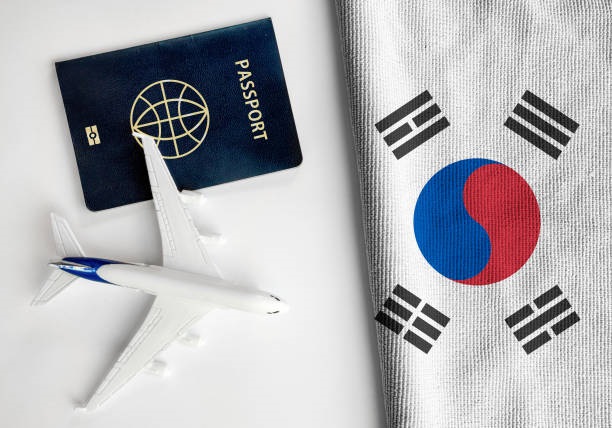

Are you dreaming of starting a new life in South Korea but worried about the high cost of relocating with your family? You’re not alone. South Korea is an increasingly popular destination for expatriates, thanks to its dynamic culture, quality education, reliable healthcare, and safe cities.
The good news is, relocating doesn’t have to break the bank. If you’re looking for the cheapest ways to relocate to South Korea with your family on a budget, this guide will help you make the big move affordably and wisely.
Why Move to South Korea?
Before diving into the budget tips, it’s important to understand why so many families are choosing to live in South Korea. Beyond K-pop and kimchi, the country boasts a high standard of living, excellent public infrastructure, strong internet connectivity, and some of the best educational institutions in Asia. Additionally, cities like Seoul, Busan, and Daegu offer family-friendly amenities, parks, and global communities.
But how do you get there without emptying your savings? Let’s explore the most budget-friendly options.
1. Choose the Right Visa for Your Situation
The first and most important step is selecting the appropriate visa. Some of the most affordable and practical visas for families include:
E-2 Visa (Teaching English): If one parent has a bachelor’s degree and is fluent in English, they may qualify to teach English. Many teaching jobs offer free housing, airfare reimbursement, and health insurance.
D-7 or D-8 Visa (Intra-Company or Business Investment): Ideal for those transferring within a company or starting a small business in Korea. Some entrepreneurs start online businesses first to qualify.
F-6 Visa (Marriage to a Korean National): If you’re married to a Korean citizen, this visa allows family residency and access to benefits such as public education and health insurance.
For tight budgets, the E-2 visa is among the most cost-effective because of the employer-provided benefits.
2. Lower Your Moving Costs
Moving internationally can be expensive, but there are smart ways to cut down expenses:
Downsize before moving: Sell or donate non-essential items. Shipping fewer things means less cost.
Use sea freight, not air cargo: Sea freight is significantly cheaper, although it takes longer. For non-urgent items, this can save you hundreds of dollars.
Book moving services in advance: Last-minute bookings are usually more expensive.
Compare quotes: Use international shipping comparison websites to find budget-friendly options.
Also, consider bringing only essentials. Korea has affordable second-hand platforms like Danggeun Market (Karrot) where you can buy furniture and appliances at a fraction of the cost.
3. Affordable Housing Options
Housing is usually the biggest expense. Here are some budget strategies:
Go for Officetels or Villas: These are cheaper than high-rise apartments. Officetels are studio-style apartments, while villas are low-rise buildings that often offer more space for families at lower rent.
Avoid central Seoul: Outer districts or nearby cities like Incheon or Suwon offer lower rents and great access to public transport.
Look for Key Money Rentals (Jeonse): In Korea, a large refundable deposit can lower or eliminate monthly rent. This is a great long-term option for families staying over a year.
Also, websites like Craigslist Korea and local real estate apps can help you find affordable listings without paying steep agent fees.
4. Enroll Kids in Public Schools
Education is a top priority for most families. South Korea’s public education system is excellent and much cheaper than international schools. Foreign children can attend Korean public schools for free or at minimal cost. Here’s how to save:
Start with public kindergartens: These are government-subsidized and offer Korean language immersion.
Take advantage of local support centers: Many communities offer language and academic support for foreign students to help them adjust.
If you prefer international schools, look for scholarships or subsidies offered by local governments or foreign embassies.
5. Use Korea’s Excellent Public Healthcare System
Korea has a universal healthcare system that offers high-quality care at affordable rates. Once you have a valid visa and alien registration card, you and your family can enroll in the National Health Insurance Service (NHIS). Benefits include:
Affordable doctor visits
Low-cost prescription medication
Free or subsidized screenings
Using the public system instead of private insurance can save your family thousands in healthcare costs over time.
6. Budget-Friendly Lifestyle Tips
Living well in Korea doesn’t mean spending more. Here are some insider tips to stretch your budget:
Eat like a local: Dining out can be surprisingly cheap if you stick to Korean restaurants. Meals at local eateries often cost less than $5 per person.
Use public transport: Korea’s extensive subway and bus systems are affordable, efficient, and family-friendly.
Shop smart: Markets and discount marts offer groceries at lower prices than big-name supermarkets.
Free entertainment: Enjoy Korea’s free museums, parks, hiking trails, and cultural festivals year-round.
Also, take advantage of local apps for deals and coupons, like Coupang, Naver, or Kakao.
7. Learn the Language (Even a Little)
While many Koreans speak some English, learning basic Korean can save you time and money. You’ll better understand bills, contracts, and everyday interactions, which can prevent costly misunderstandings.
Free Korean classes are often available at local government offices, libraries, and expat support centers.
Final Thoughts
Want to live in South Korea? The cheapest ways to relocate with families on a budget all come down to smart planning and resourceful decisions. From visa choices and housing hacks to schooling and healthcare, there are plenty of ways to make your dream move to Korea without draining your bank account.